
Home and Apartment Locks
Lock work for houses, apartments and condos, and for the owners, renters and landlords who hold the keys.
Homeowners, renters and landlords call for different reasons, but home lock work comes down to a handful of jobs: getting back in after a lockout, rekeying after a move or a lost key, fitting a deadbolt, and replacing a worn or broken lockset. The work is much the same for a house, an apartment or a condo; what changes is who decides about the locks, the owner or the landlord.
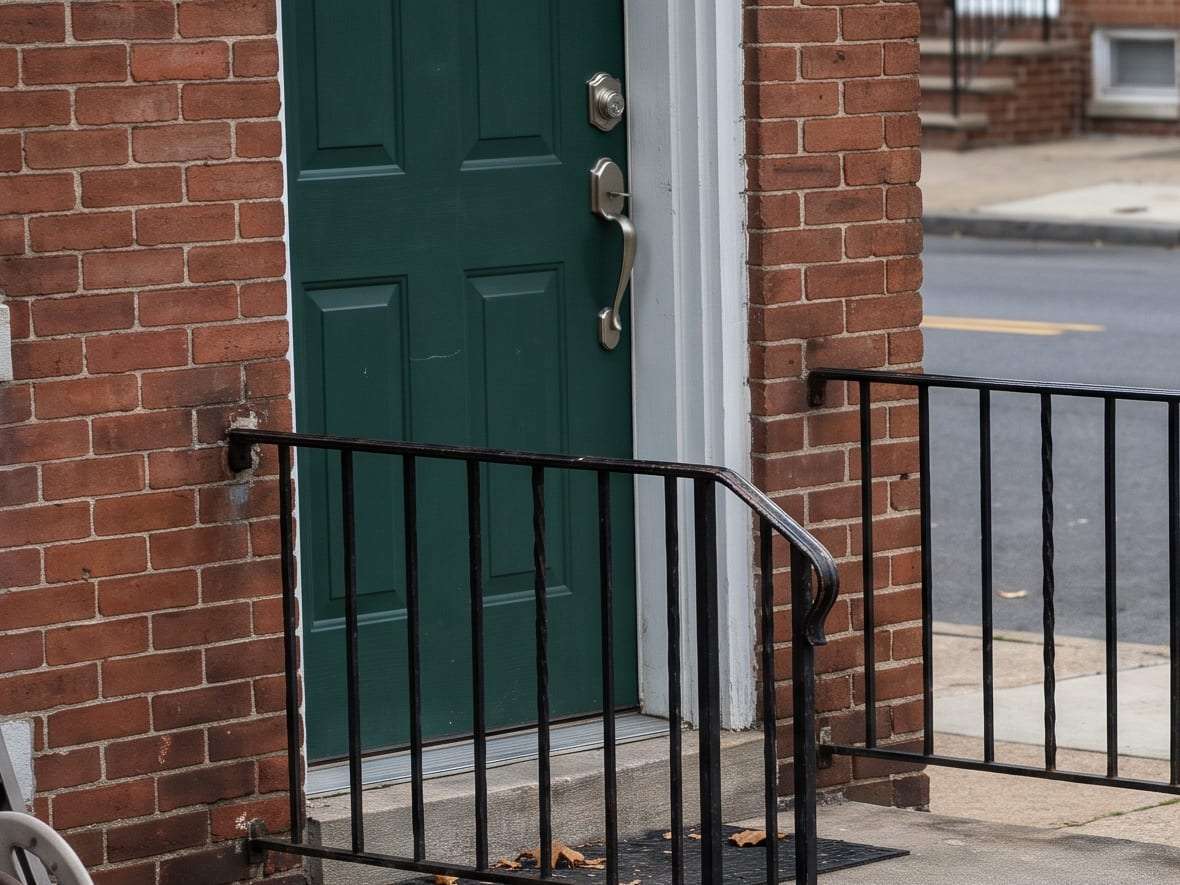
Household Lock Jobs and What They Change
| Job | Situation | Result |
|---|---|---|
| Lockout | Keys inside, a lock that will not turn with the right key, or keys lost on the way home | Back inside, in most cases with the lock and the door unharmed |
| Rekey on move-in | A new home where nobody knows how many old keys are still out there | The same locks on new keys, with every old copy shut out |
| Replace lost keys | A lost key ring, or keys that left with a former roommate or partner | New keys cut, and the locks rekeyed if the lost set could lead someone to the door |
| Upgrade to deadbolt | A door held only by the spring latch in its knob, which can often be slipped | A deadbolt that throws its full length into a solid strike, with a key outside and a thumbturn inside |
| Fit smart lock | Wanting keypad or phone entry, separate codes for family, a dog walker or a cleaner, or no more key under the mat | A keypad or smart deadbolt fitted and its codes set up, with a key cylinder kept as a backup on many models |
| Repair front or back door lock | A key that drags, a handle that sags, or a latch that misses the strike | A door that locks cleanly again, after a repair or a new lockset |
| Secure sliding door or window | A patio slider whose latch no longer catches or that lifts in its track, or a window lock that is broken or missing | A slider that latches and resists lifting, and window locks that close firmly |
Rekeying or Changing the Locks After a Move
The locks on a new home come with a history you cannot see: previous owners, a cleaner, a contractor, the neighbor who watered the plants, the lockbox from the sale. Rekeying gives the locks you have new keys, so every old copy stops working; changing them puts new hardware on the door. Rekeying suits sound locks you are happy with, while a worn lock, or a door that deserves a deadbolt or a keypad, points toward new locks.
Locks to Account For on Moving Day
- The front door: the knob or lever and the deadbolt, which may not take the same key.
- The back door, the easiest one to forget and often the one an old spare still fits.
- Side and basement doors, including any door from the basement out to the yard.
- The garage entry: the door from the garage into the house, and the garage’s own side door.
- The mailbox: a locking box at a house has its own small lock; in an apartment building, ask the landlord or manager.
- Shared keys: everyone who was given one, from neighbors and family to dog walkers and contractors.
Should I rekey or change the locks after moving in?
If you own the home and the locks work well, rekeying gives you new keys without new hardware. Change them if they are worn, flimsy or not the kind of lock you want on the door. If you rent, the locks belong to the landlord, so check your lease and ask the landlord before rekeying or changing anything.
Walk-Ups, Converted Twins and Shared Street Doors
In Philadelphia’s walk-ups and converted twins, many apartments change tenants every year, and each move-out leaves keys somewhere: copies made for a roommate or a dog walker, and the spare that never came back. Landlords and property managers call for lock changes between tenants and for key duplication across several units, so each new tenant starts with keys nobody before them held. Where every tenant’s key also opens the shared street door, that door has to be keyed to match whenever a unit lock is rekeyed.
Who changes the locks between tenants?
In most rentals the landlord or property manager arranges a rekey or a lock change between tenants, since the locks belong to the property. If you are moving in and are not sure it was done, ask before you unpack. Tenants who want a lock changed should read the lease and get the landlord’s agreement first.
Can a tenant add a deadbolt or a smart lock?
Often, with the landlord’s permission. Many leases require the landlord to keep a working key or code for every lock, and a new deadbolt means drilling the door, so agree on both before any work starts. A smart lock that fits the existing deadbolt hole is usually the easier request.
Patio Sliders and Window Locks
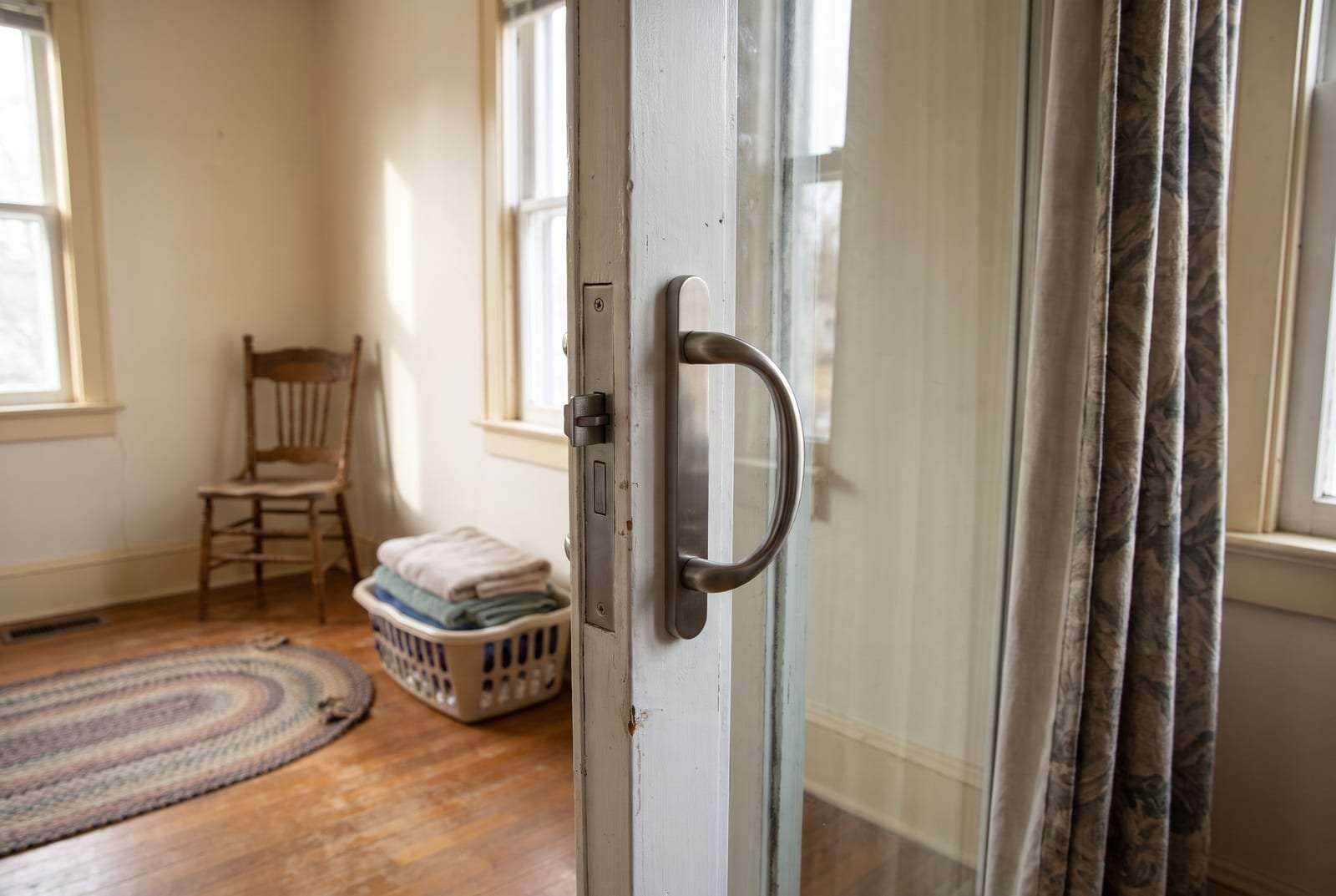
A sliding patio door often has the weakest lock in the house. Its latch is a small hook that catches a keeper in the frame, and as the rollers wear, the door drops until the hook barely reaches. Some older sliders can even be lifted off their track from outside while locked.
Adjusting the rollers brings the latch back into line, and a secondary lock adds what the latch cannot: a pin through both frames, a foot lock at the bottom, or a bar in the track. Windows get the same look, since a sash lock that no longer pulls the window tight is easy to work open from outside. When you Schedule a Visit, list the sliders and windows along with the doors.
Spring move-ins: rekey the locks before unpacking Humid summer air swells doors and sticks latches Autumn deadbolt and latch checks before the cold Frozen lock in winter? Never force the key