
Recent Work on Doors and Locks
Keypad locks, electric strikes, storefront deadlocks and mortise locks, photographed on real jobs.
Lock work is easiest to judge by the hardware itself. A keypad lever on a steel door, an electric strike set into a frame, a deadlock on an aluminum storefront and a mortise lock with its faceplate off each say something about the door around it. Some of this work is new hardware going in; some is old hardware being cleaned, put right or taken out.
Installations and Replacements
Fitting new hardware means more than the lock itself. The door and frame are prepared for it, the latch or bolt has to meet its strike squarely, and anything electric is wired and tried with the door shut. The wider range of hardware is covered under installations and replacements.
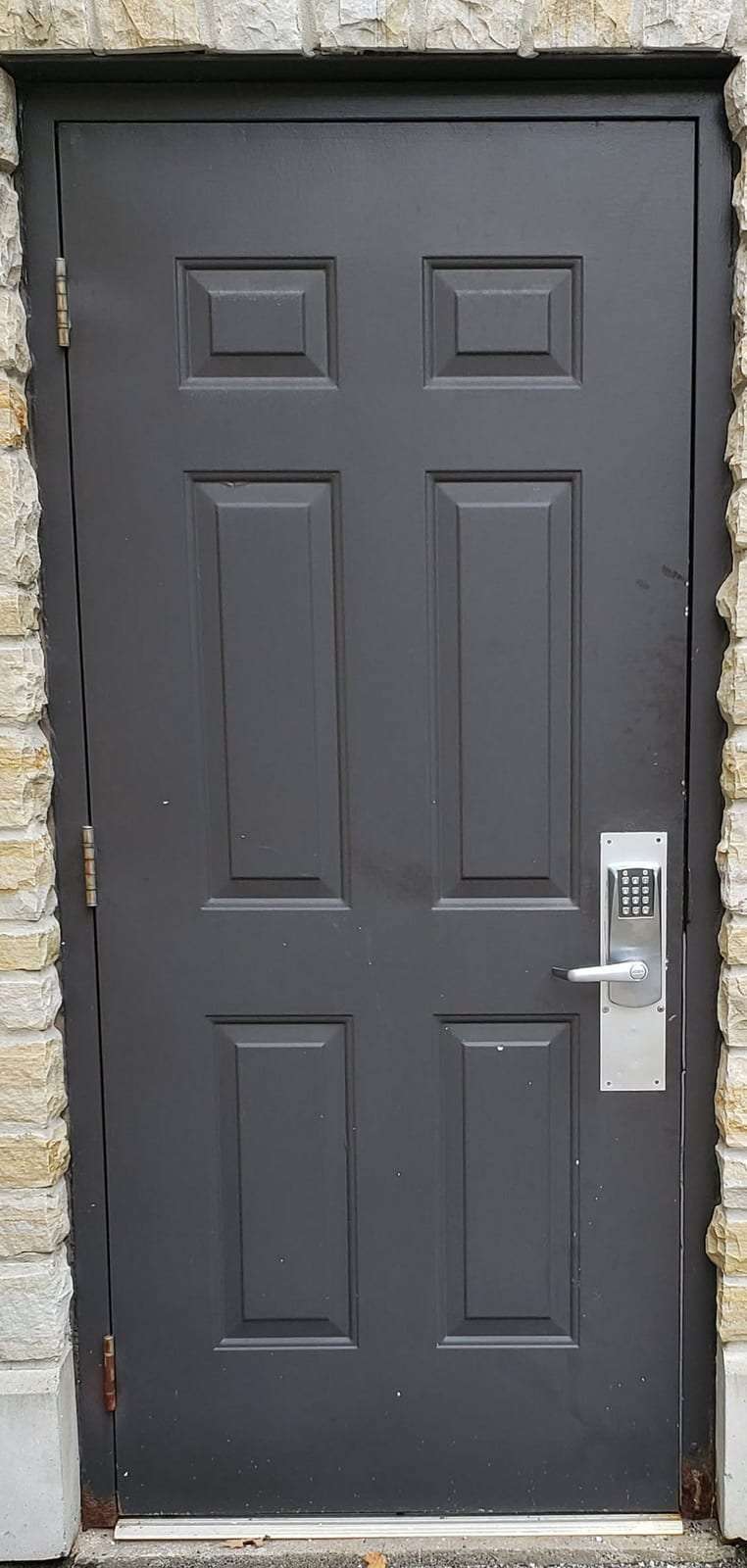
Keypad Lever Locks
A keypad lever lock lets people in with a code instead of a key, which suits a side or back door used by staff, tenants or a cleaning crew. Most models keep a key cylinder as a backup and run on batteries. Fitting one means checking the door’s thickness and backset, making the bore and latch holes fit the new lock, and setting the codes. It is worth considering when keys keep going missing, or when too many people come and go for each of them to carry a key.
Electric Strikes in Steel and Wood Frames
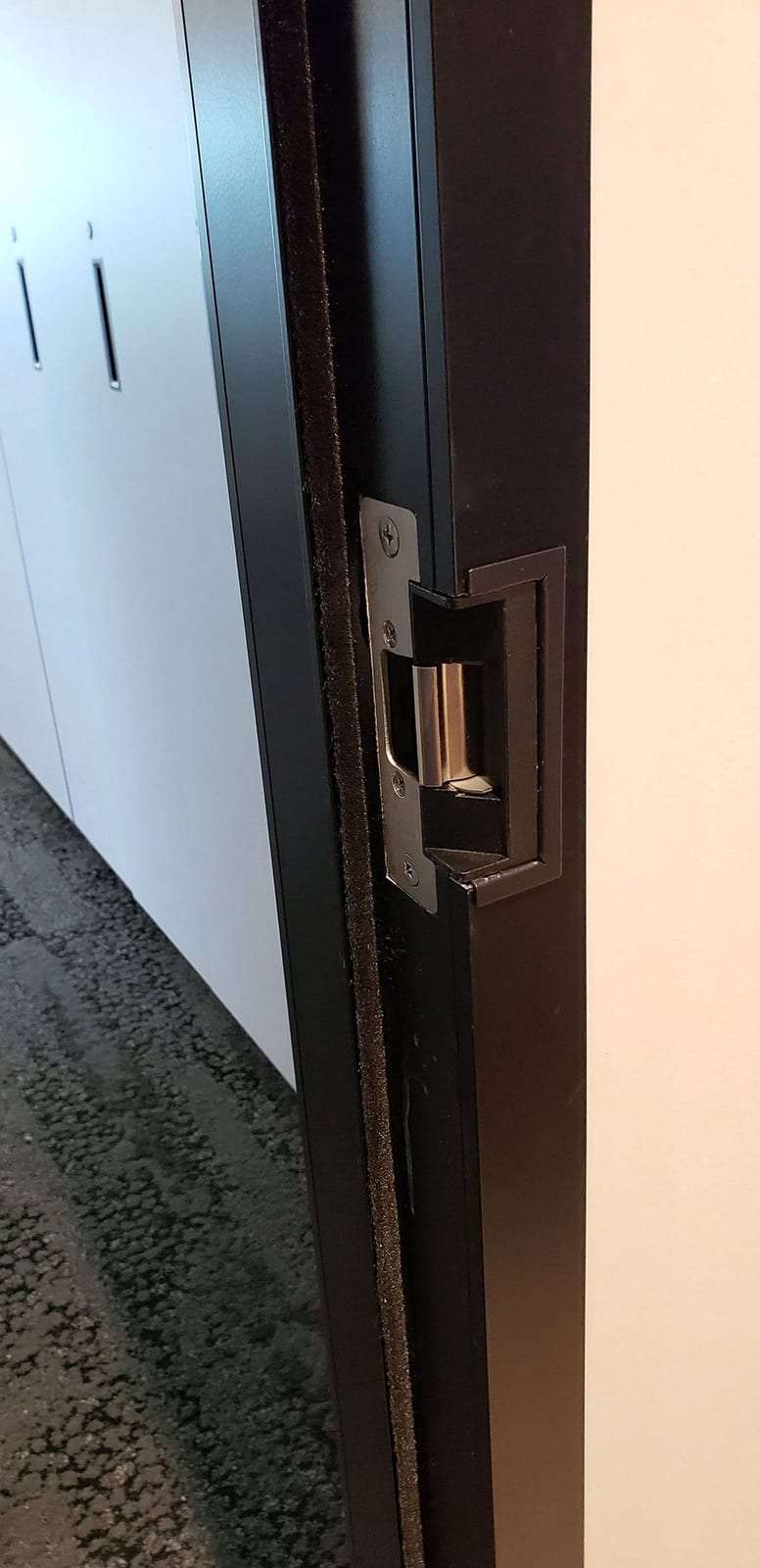
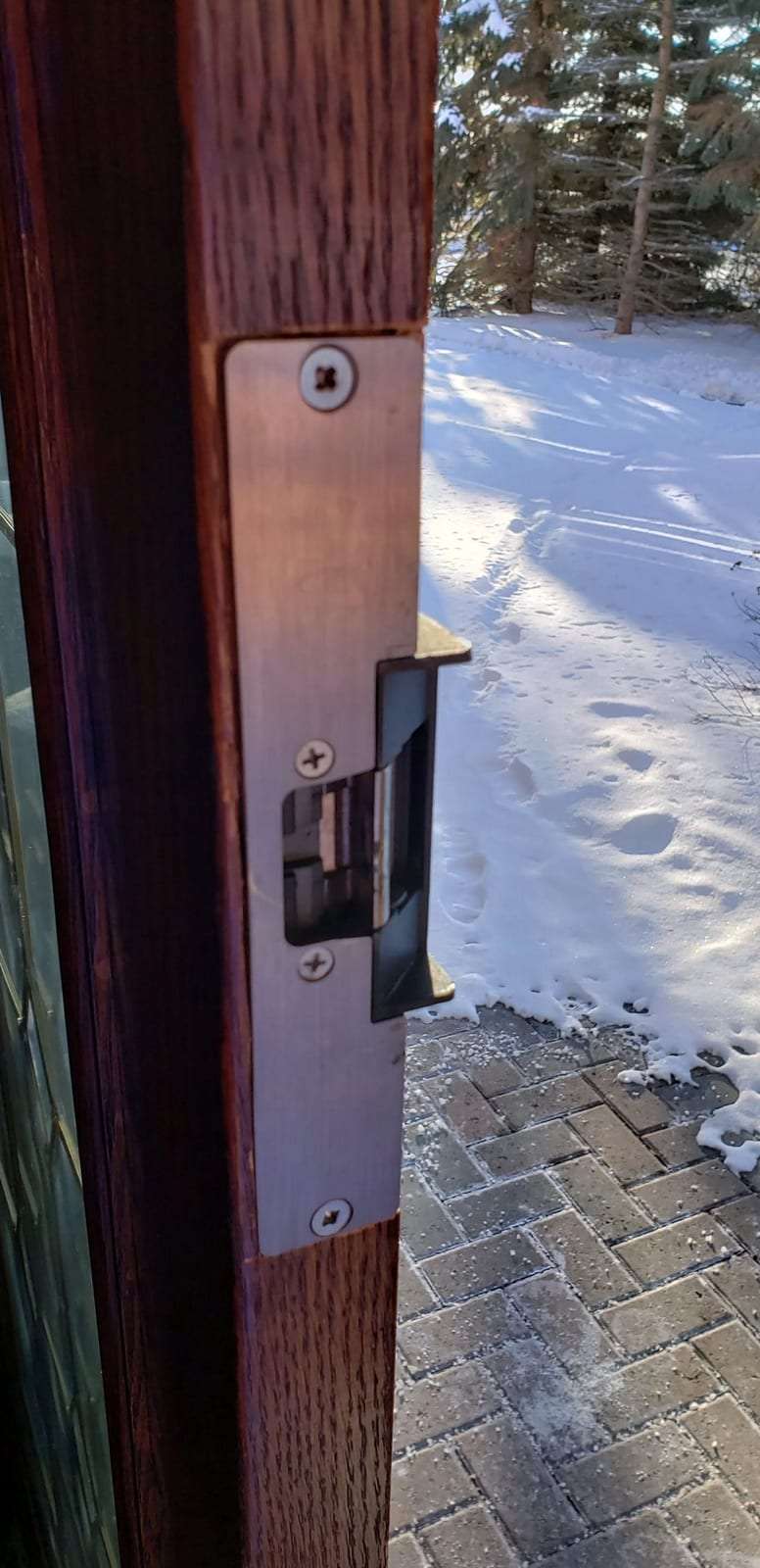
An electric strike takes the place of the plain strike plate in the frame. When a buzzer, card reader or keypad signals it, its keeper lets go and the door pulls open with the latch still out, which is how many buzz-in doors work. Fail-secure strikes stay locked when the power is cut and fail-safe strikes release, and the right one depends on the door and the building’s fire safety needs.
In a steel frame the job means cutting the frame cleanly and running wire through it; in a wood frame the strike is set into the jamb with enough wood left around it to stand up to a hard pull. A door that someone has to walk down and open several times an hour, or one that keeps getting propped open, is often the sign that it could use one.
Repairs
Repair work on older doors is often about wear that built up over years: a bolt that no longer reaches its keeper, a cylinder worn smooth inside, or a lock case packed with grime and rust. More of the faults that can be fixed on site are set out under lock repairs.
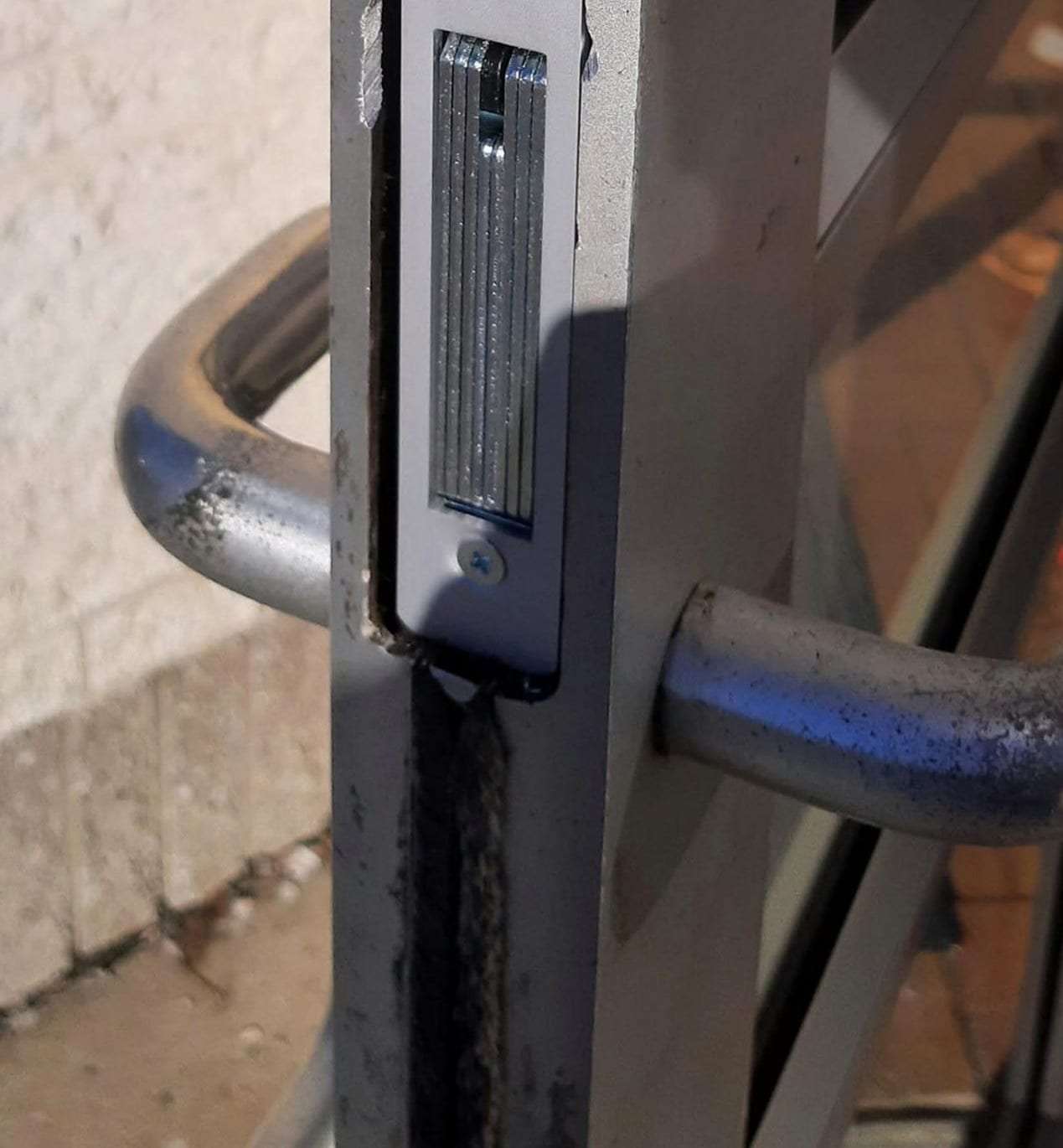
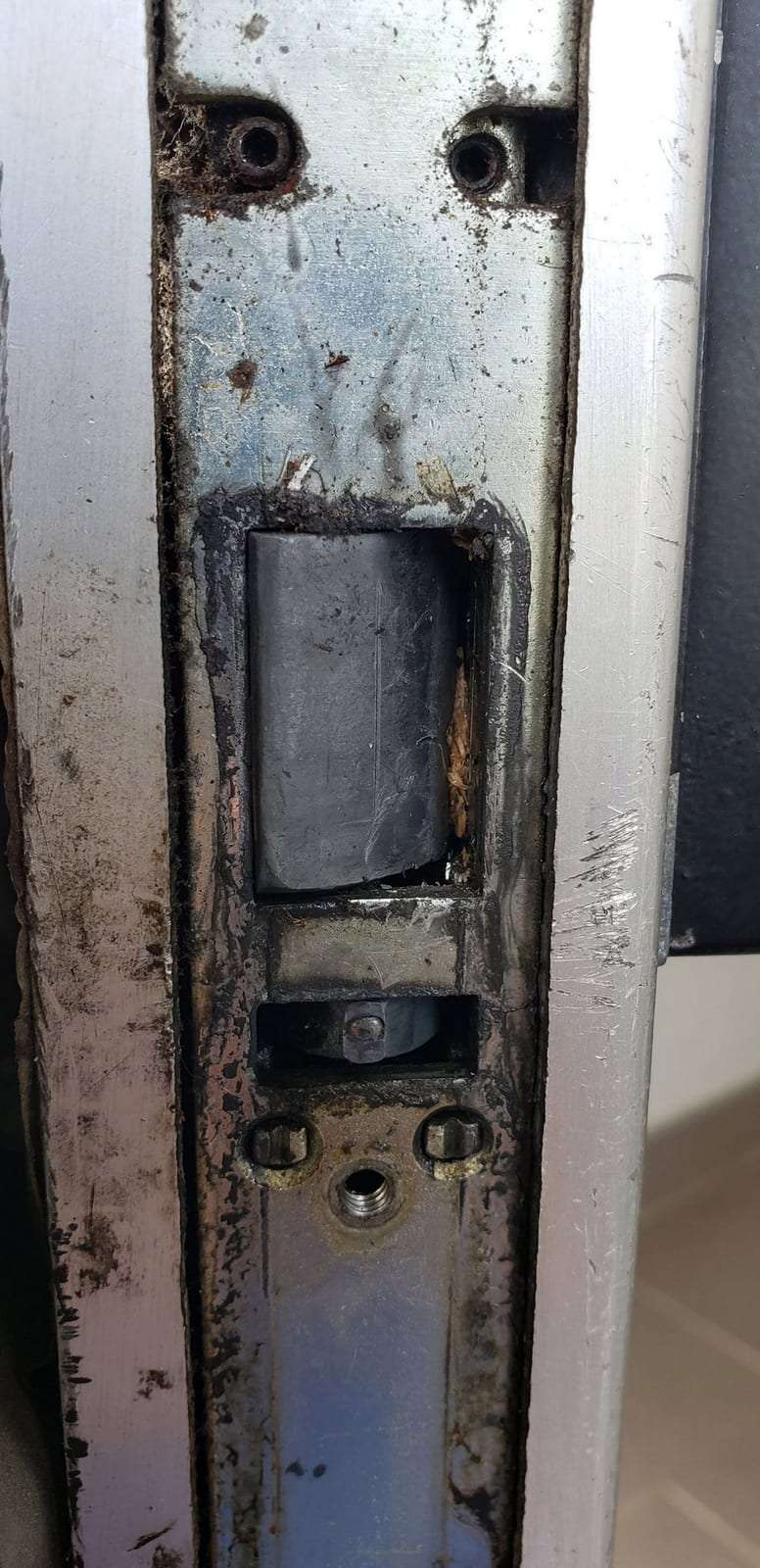
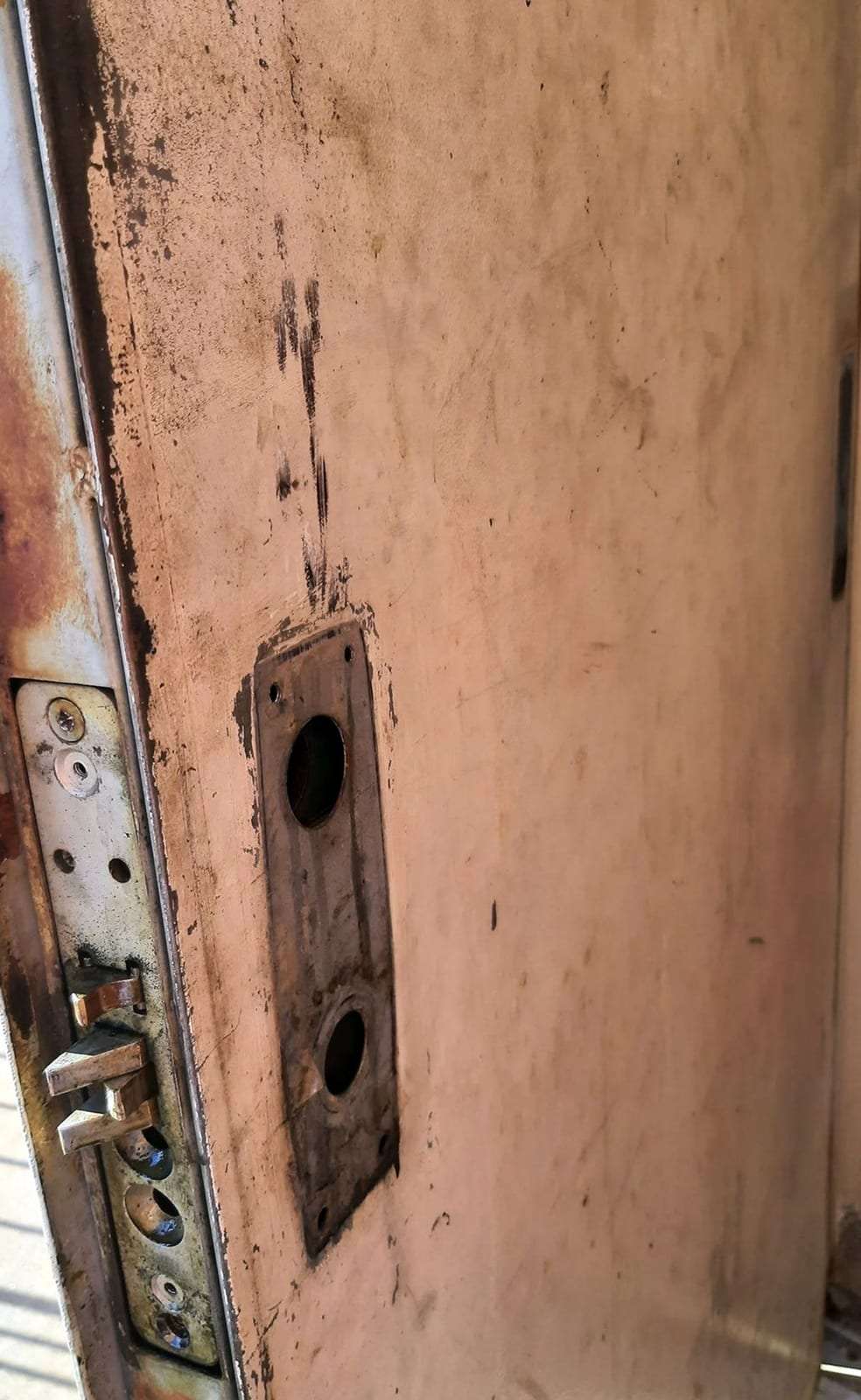
Storefront Deadlocks on Aluminum Doors
Narrow aluminum storefront doors usually lock with a hook bolt, a curved bolt that swings out of the door edge and hooks into the frame so the door cannot be pried away from it. Over time the door drops on its hinges or pivots, or the frame shifts, and the bolt starts to catch or miss its strike while the key gets harder to turn. The fix is often an adjustment to the door or the strike, with a new cylinder or lock body when the old one has worn past adjusting. A key that has to be forced, or a door that has to be lifted or pushed before it will lock, means the lock is already working too hard.
Mortise Locks in Older Doors
A mortise lock sits in a pocket cut into the door edge, with its latch, deadbolt and springs inside one steel case, and the faceplate is all that shows. It is built to last decades, which is why so many older doors still carry one. When the lever grows heavy, the latch drags or the key turns hard, the case has to come out and be opened up. Often the parts can be cleaned and freed; when the case itself has corroded, a new lock body of the same size fits the existing pocket, so the door does not have to be cut again.
When an Old Lock Comes Out
Taking an old lock out shows what years of use did to the door around it: bolt holes, staining, a rusted faceplate and a pocket worn wider than it was cut. The new hardware has to suit that opening. Sometimes a lock of the same size goes straight in; sometimes a different style of lock goes in with a plate that covers the old cut-outs, once a damaged edge has been built back up. A faceplate that rocks, a lock that shifts as the key turns, or splintered wood around the bolt usually means the edge needs attention along with the lock.
Spring move-ins: rekey the locks before unpacking Humid summer air swells doors and sticks latches Autumn deadbolt and latch checks before the cold Frozen lock in winter? Never force the key