Lock Installations and Replacements
New locks and door hardware for homes, storefronts and offices, and replacement keys and fobs for cars.
New hardware goes in when the old lock is past saving, when the door never had the right lock, or when the people using it need something different, such as a keypad for a rental or an exit device on a shop’s back door. A lock that only sticks or has a loose handle is usually a job for lock repairs instead. The work can be a single deadbolt or every lock in a small office, and it includes replacement car keys and fobs.
Choosing Hardware for the Door
Each item suits particular doors, and some carry trade-offs worth knowing first. Programming vehicle keys and fobs is covered under car keys.
| Item Installed | Where It Is Used | Good to Know |
|---|---|---|
| Deadbolts | Front, back and side doors of homes and apartments, and the rear doors of shops | A one-inch bolt throw and a strike screwed into the framing do the real work. Double-cylinder models need a key inside too, which slows getting out. |
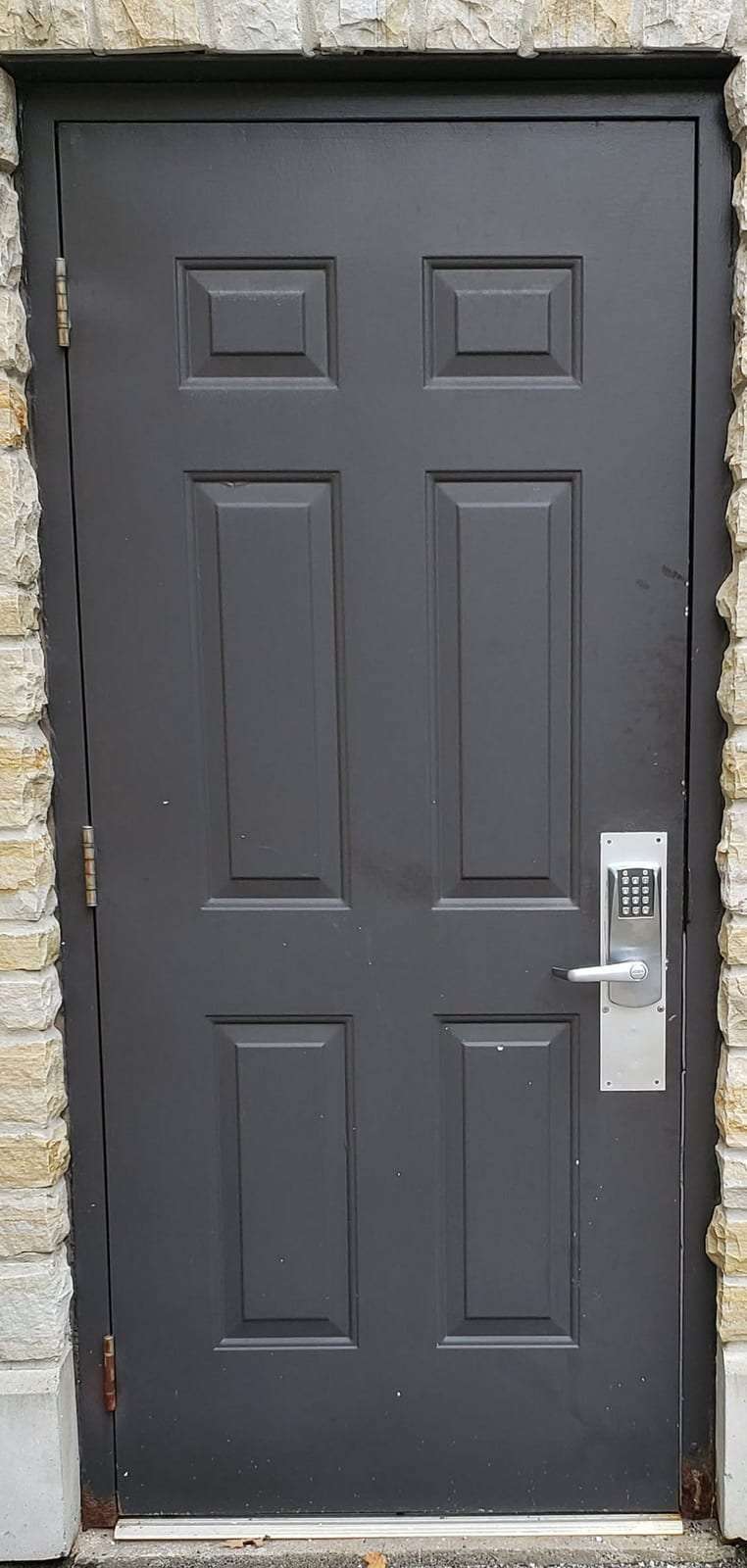
| Keypad and smart locks | Rentals with guests coming and going, small offices, homes where keys go missing | Codes change without new keys. Batteries need replacing, a key override covers a dead one, and a motorized bolt needs a door that closes cleanly. |
| Mortise locks | Older rowhouse front doors and commercial doors with a lock pocket in the edge | A replacement sized for the existing pocket avoids recutting the door, and often the cylinder alone can be changed. |
| High-security cylinders | Storefronts, offices and homes that want tighter control over who has keys | They resist picking and drilling better than standard cylinders, and copies of their keys are restricted. |
| Door handles and levers | Interior and exterior doors in homes and businesses | Levers are easier than knobs with full hands or stiff fingers. The new set must match the backset and door thickness. |
| Panic bars and exit devices | Rear and side exits of shops, offices and shared buildings | One push lets people out while the door stays locked from outside. Building and fire rules often apply, so the device has to suit the door. |
| Mailbox and cabinet locks | Apartment mailboxes, desk drawers, and file and display cabinets | Most are small cam locks; the new one must match the old one’s length and cam shape. |
| Replacement car key and fob | Cars, when a spare is needed and the dealership is not close | Transponder keys and fobs are programmed to the vehicle, and what can be done outside a dealership depends on the make, model and year. |
How do I choose between a standard, high-security or smart lock?
Start with the door and who uses it. A well-fitted standard deadbolt suits a great many homes. A high-security cylinder adds resistance to picking and drilling and control over key copies, which matters where staff change. A smart or keypad lock trades keys for codes, which helps when many people come and go.
Is a smart lock less secure than a keyed deadbolt?
Not by itself. Much of a lock’s strength comes from the bolt, the strike and the frame, and a well-made smart lock relies on the same parts. What it adds is batteries to change and codes or app access to manage.
Can a high-security cylinder go into the lock I already have?
Often, yes. Many deadbolts and mortise locks accept a replacement cylinder, so the upgrade can be the cylinder alone while the rest of the lock stays on the door. Whether a particular lock takes one depends on its make and model.
Philadelphia Doors That Predate Modern Locks
Many older Philadelphia doors were never built around a modern lockset. Original rowhouse front doors can be thicker or thinner than a new lock expects, many still carry a mortise pocket from an earlier lock, and a century of hardware changes leaves old bore holes to cover or fill. Storefronts along the older commercial blocks have a quirk of their own: narrow aluminum stiles that take only a narrow-backset deadlock or hook bolt. Measuring the door comes before choosing the hardware.
Strikes, Frames and Electric Releases
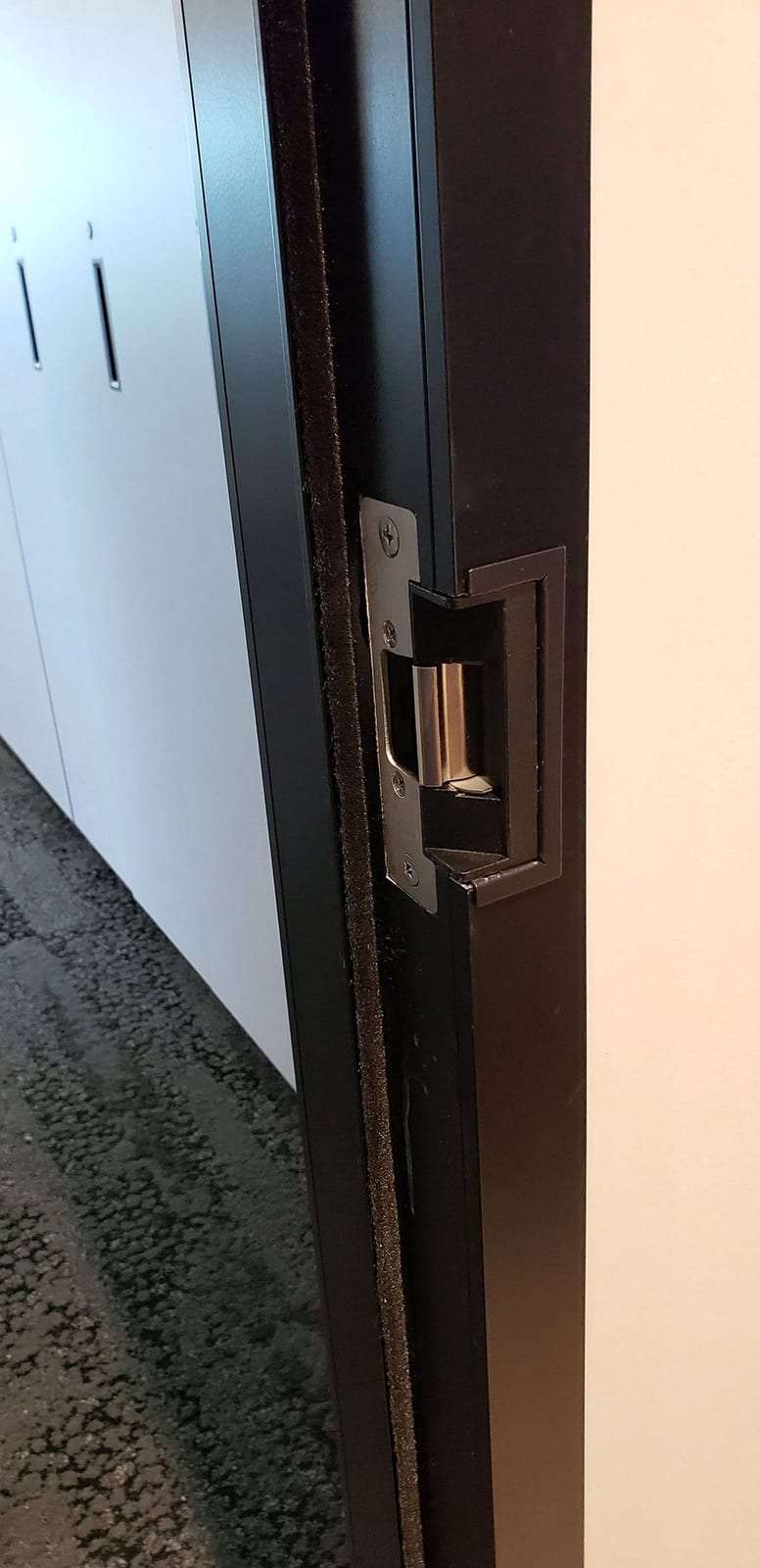
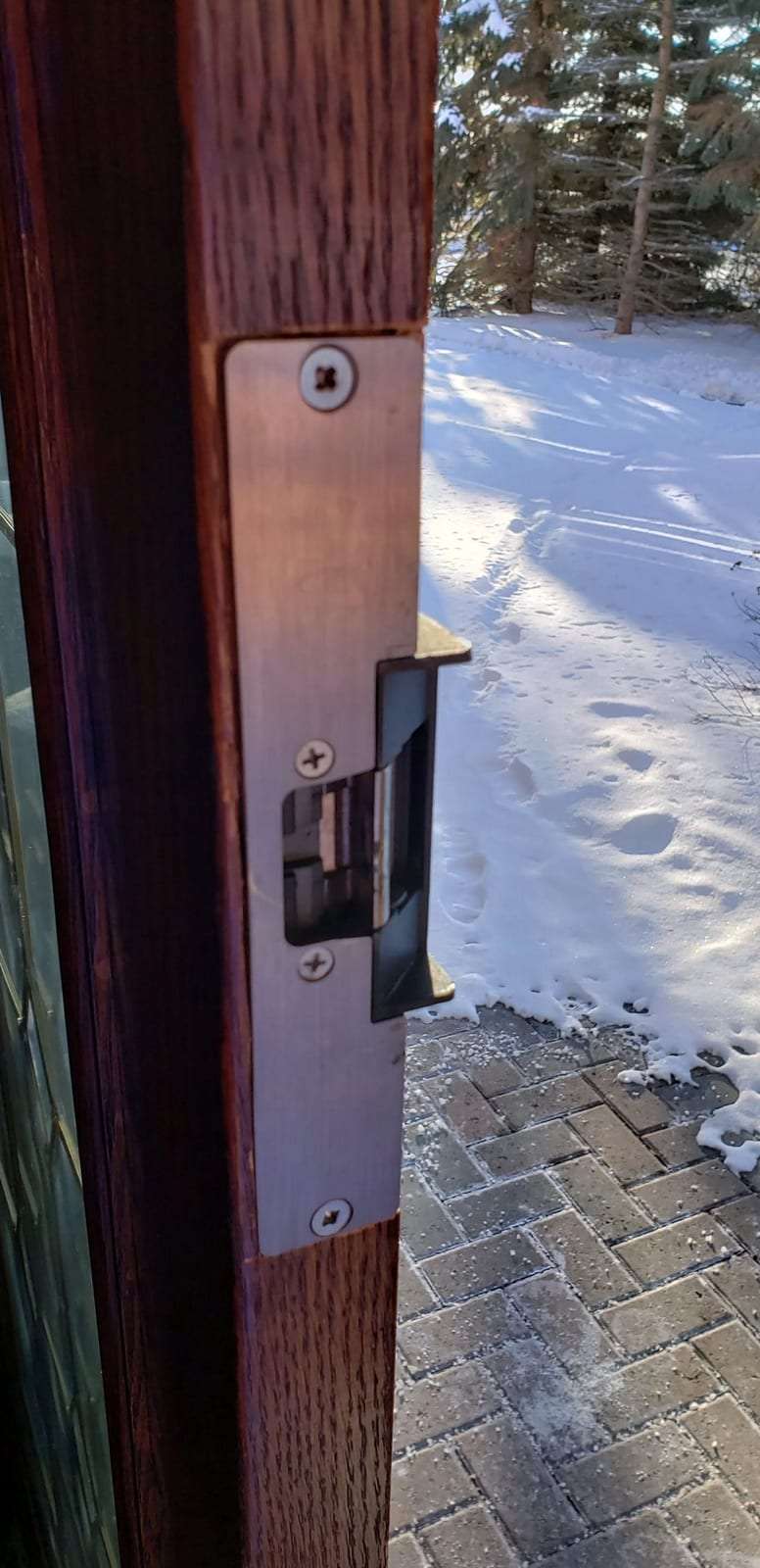
A lock holds only as well as the strike it closes into, so the frame matters as much as the lock. The strike has to sit where the bolt meets it squarely, on screws long enough to reach the framing behind the jamb. Offices and shared entrances often add an electric strike, which releases the latch when a buzzer, keypad or card reader allows it while the lock itself stays locked.
Decisions on Doors, Keys and Keypads
Deciding these ahead of time keeps the visit about installing the hardware rather than choosing it.
- Door type and thickness: wood, steel, fiberglass, or aluminum and glass. Most residential locks fit doors 1-3/8 to 1-3/4 inches thick, and older or commercial doors may need something else.
- Number of locks: how many doors, and whether each gets a deadbolt, a handleset or both.
- Keyed alike or separate keys: one key for every door, or separate keys for a rental unit, a basement or an office.
- Manual or keypad: a key-only lock, or a keypad or smart lock, and who will need a code.
Each of these choices changes the size of the job, alongside the other factors set out under what affects the cost.
Clearing Space and Sending Photos Ahead
Before the visit, clear some space around the door so there is room to work on both sides of it. Photos of the lock and the door, sent ahead by text or by email to remy.k@algonlocksmith.com, usually make it possible to bring the right parts.
Spring move-ins: rekey the locks before unpacking Humid summer air swells doors and sticks latches Autumn deadbolt and latch checks before the cold Frozen lock in winter? Never force the key