
Urgent Locksmith Service
Locked out, a key snapped in the cylinder or a door that will not lock: what to do first and how to reach Algon.
Some lock problems can wait for a planned visit. These cannot: a lockout from a home, a car or a business, a key snapped off inside the cylinder, a lock damaged in a break-in, or keys lost where they could lead a stranger to your door. For any of them, phone Algon; the request form suits a lock that is a nuisance rather than an emergency.
If anyone is in danger, call 911 first. That includes a child shut inside a car, someone hurt or unwell behind a locked door, and a break-in that may still be going on. The lock can wait until everyone is safe.
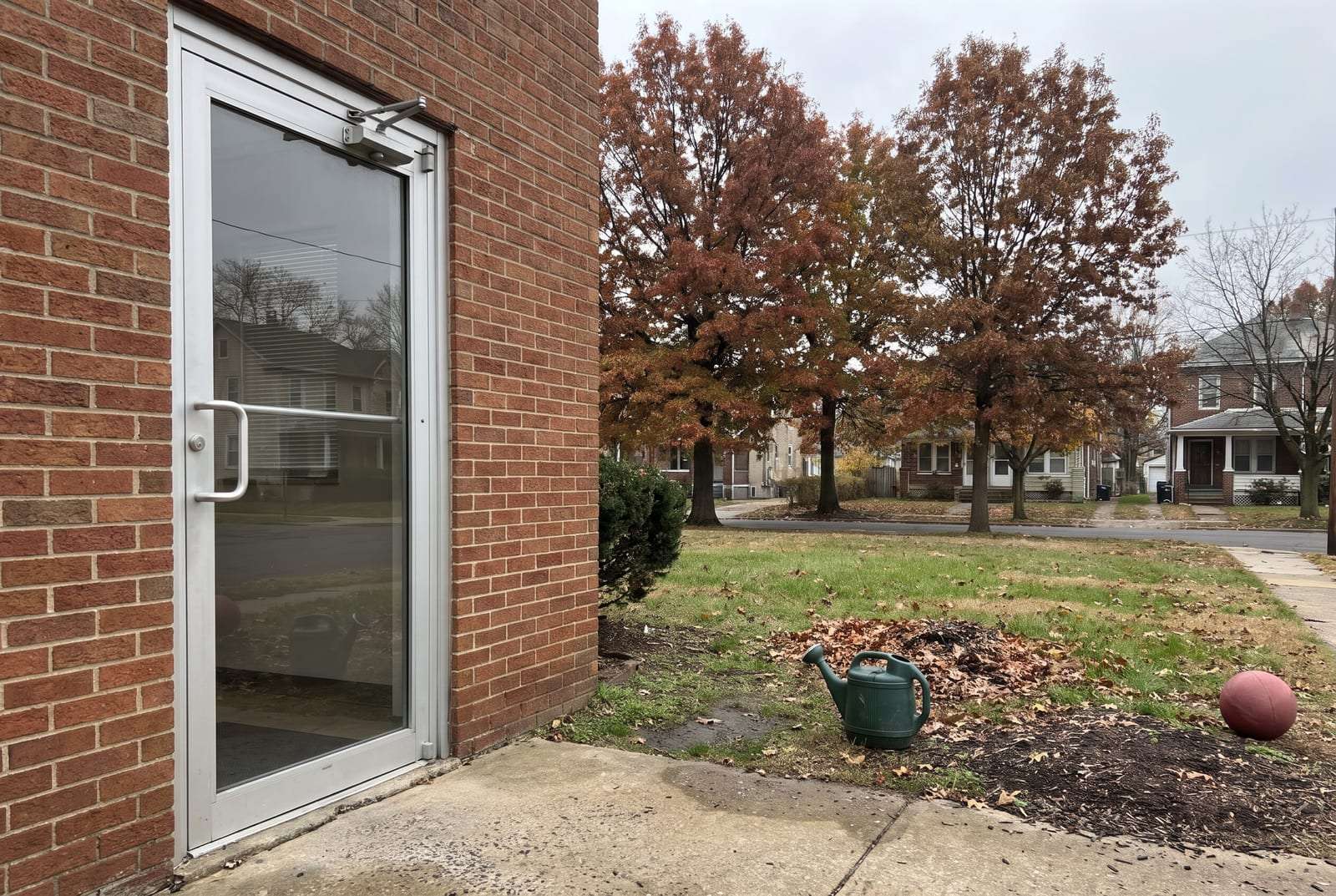
Lockouts, Snapped Keys and Break-In Damage
| Emergency | Typical Situation | What the Locksmith Can Do on Site |
|---|---|---|
| Locked out of home | Keys left inside, a door that locked behind you, or a key lost on the way home | Open the door by picking or bypassing the lock where its type allows |
| Locked out of car | Keys locked in the cabin or the trunk, or a fob whose battery died with the doors locked | Open the car with lockout tools, not a broken window; a lost key needs a new car key, depending on the vehicle |
| Locked out of business | Staff outside at opening time, or a storefront or office lock that failed at closing | Open the door, then repair or rekey the failed lock |
| Key snapped in lock | Half a key left in the cylinder, often after forcing a lock that had been stiff for weeks | Extract the broken piece and cut a new key from the pieces or by decoding the lock |
| Lock damaged after a break-in | A kicked door, a split jamb, a bent strike, or a cylinder that was drilled, pulled or snapped | Replace the damaged lock or cylinder and refit or reinforce the strike so the door locks again |
| Lost keys needing locks changed | Keys lost with an address tag, or taken with a bag or a car that shows where you live | Rekey the locks so the lost keys stop working, or replace any lock too worn to be worth rekeying |
Call Now or Send the Form?
Three answers sort an emergency from a lock that can wait for a planned visit.
Answer the three questions, then press the button.
What the Locksmith Will Ask on the Phone
- Where you are: the street address or the business name, plus the floor and unit in an apartment building.
- Which door or vehicle: front, back or side, a unit door or the street door, a car door or the trunk.
- The lock type, if you know it: a deadbolt, a knob or lever lock, a keypad, or the mortise lock found on many storefront doors.
- For a car lockout, the make, model and year, and whether the keys are inside the car or lost.
- Something that ties you to the address or the vehicle, such as an ID or the registration, which a locksmith will usually ask to see.
Storm Doors and Look-Alike Rowhouse Blocks
On a Philadelphia block of near-identical rowhouses, the house number and the nearest cross street help more than a description of the door. Many rowhouse entries add a storm door or a steel security door in front of the main door, which can mean two locks to open instead of one. Mention it when you call.
Getting Back Into a Home, Car or Shop
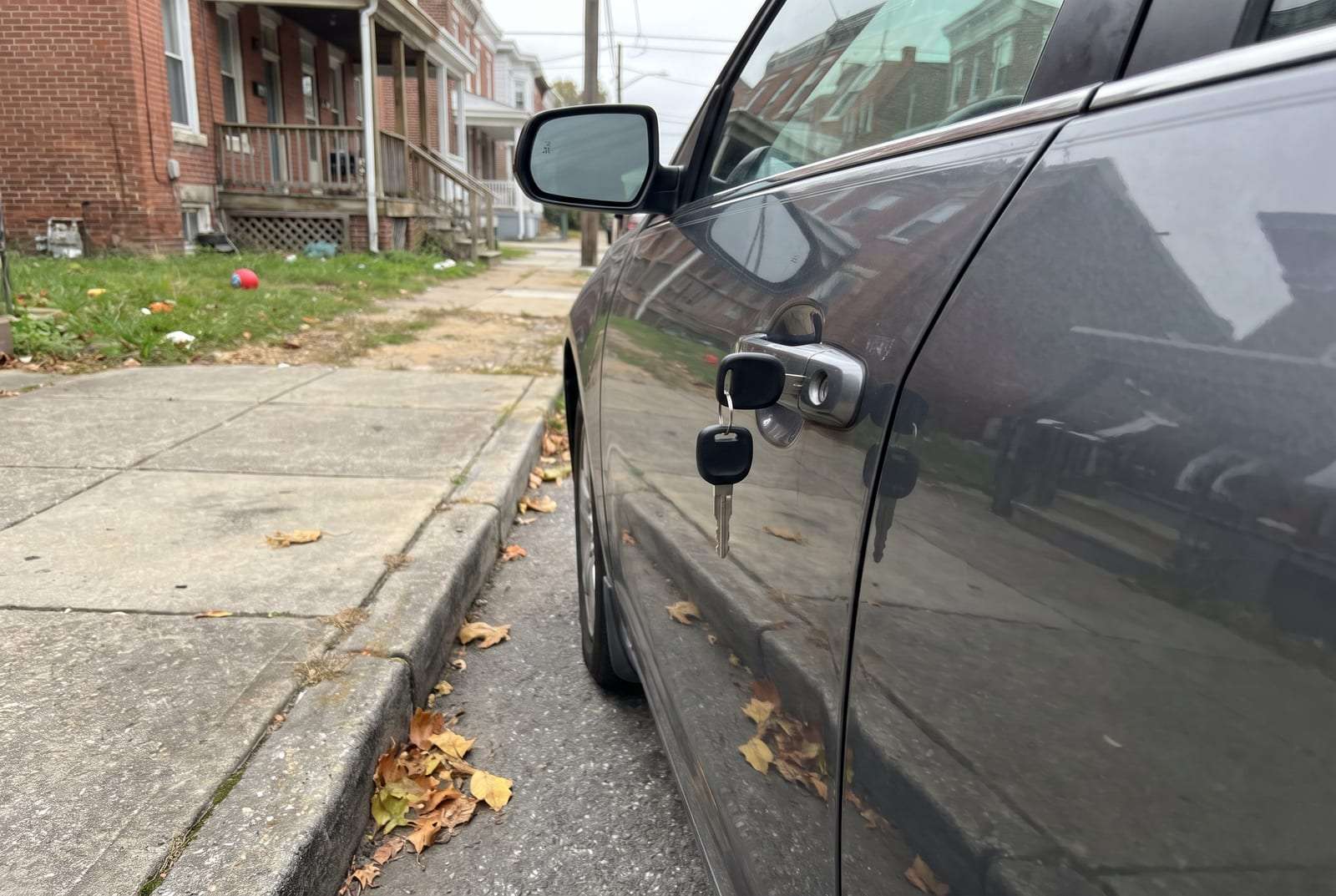
Before calling about a lockout, check for a spare: a back door left unlocked, a neighbor or relative with a key, a landlord or building manager who keeps one, or a coworker with keys to the shop. With a car, leave the coat hanger alone. Modern car doors hide wiring, airbag sensors and weather seals that are easy to damage from outside, while lockout tools made for cars work through the door seal.
Will the lock or the door be damaged when it is opened?
Usually not. Picking, bypassing or car lockout tools open most standard locks and car doors without harm. A high-security cylinder, built to resist picking, or one that has broken inside may have to be drilled, and that cylinder then needs replacing.
Is it worth trying to force the lock first?
Trying a spare key or another door is worth it; forcing the lock is not. A credit card, a screwdriver or a coat hanger can damage the latch, the frame or a car’s door seals, and a key forced into a stiff lock is how keys snap.
Making a Door Lock Again After a Break-In
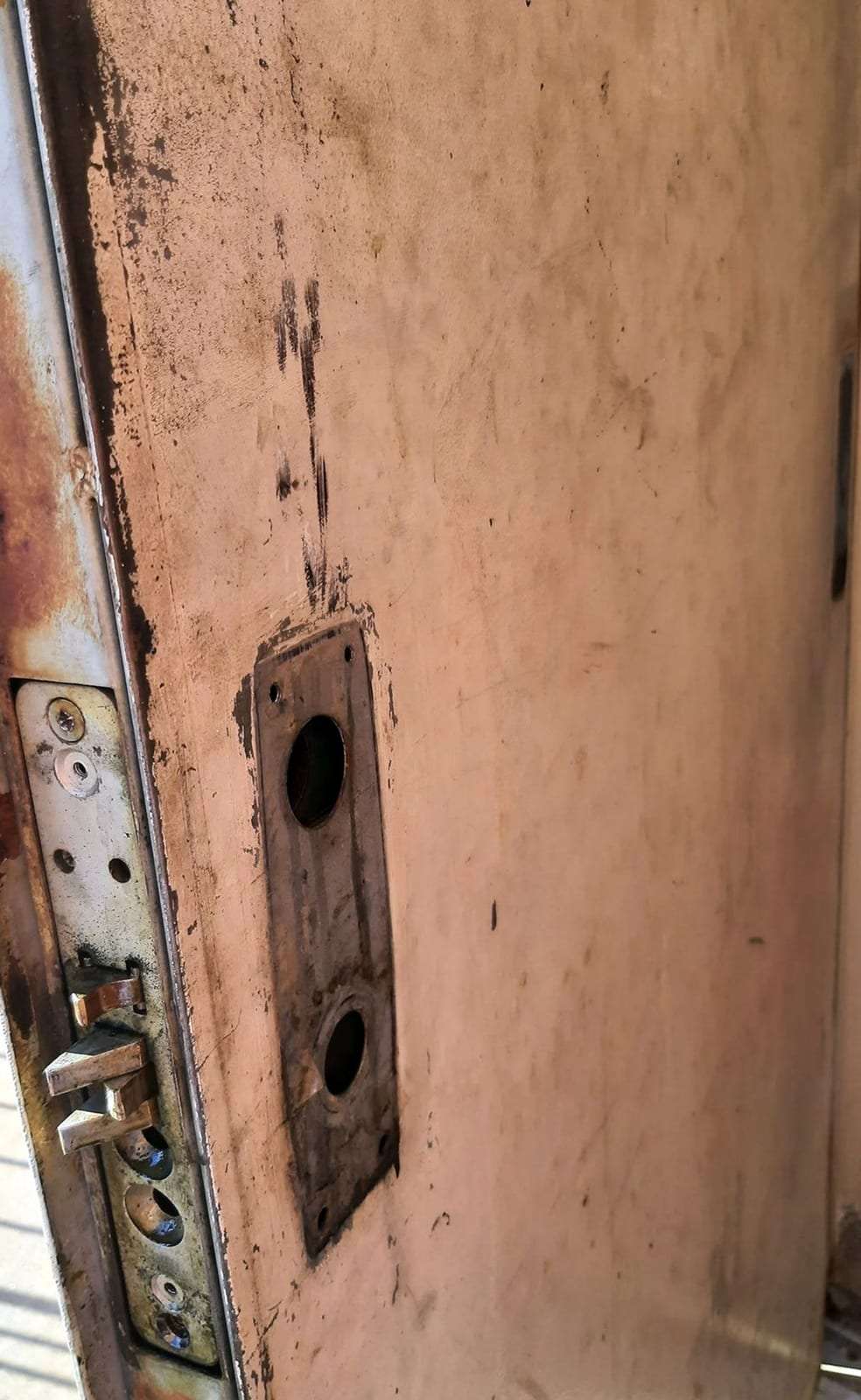
After a break-in the police come first: report it, and if you can, leave the damage as it is until they have seen it. Then the door has to lock again. A forced door usually shows damage in three places: the cylinder, which may be snapped, drilled or pulled out; the strike, which bends or tears out of the jamb; and the frame, which can split along the grain.
A new lock or cylinder, with a stronger strike held by long screws that reach the framing behind the jamb, is enough for most doors. A badly split frame may need a carpenter as well, and scars on the door edge can wait for a planned repair. If keys were taken, every lock they fit should be rekeyed, not only the door that was forced.
Can a door be secured before a split frame is properly repaired?
Often, yes. A new strike with long screws, or a reinforcing plate over the damaged jamb, can let a deadbolt hold until a carpenter rebuilds the frame. A door kicked off its hinges, or a frame torn loose from the wall, may need boarding up first.
Spring move-ins: rekey the locks before unpacking Humid summer air swells doors and sticks latches Autumn deadbolt and latch checks before the cold Frozen lock in winter? Never force the key