
Lock Maintenance and Inspections
Cleaning, adjustment and rekeying that keep a lock turning smoothly and its keys in the right hands.
Locks rarely fail without warning. A key starts to drag, a latch only catches when the door is pulled tight, a handle works a little looser each month. Caught early, the fix is usually cleaning, lubrication or a small adjustment to the strike or the hinges, not a new lock or a lockout on the front step. Maintenance looks after the keys too: who holds them, and whether it is time for new ones.
Routine Lock Work and Who It Suits
A visit can cover one of these tasks or several.
| Task | What Is Checked or Done | Suits |
|---|---|---|
| Lock lubrication and adjustment | Grit and old grease cleared out, a dry lock lubricant worked in, and loose screws, knobs and levers tightened | Locks in daily use, keys that drag, levers that wobble |
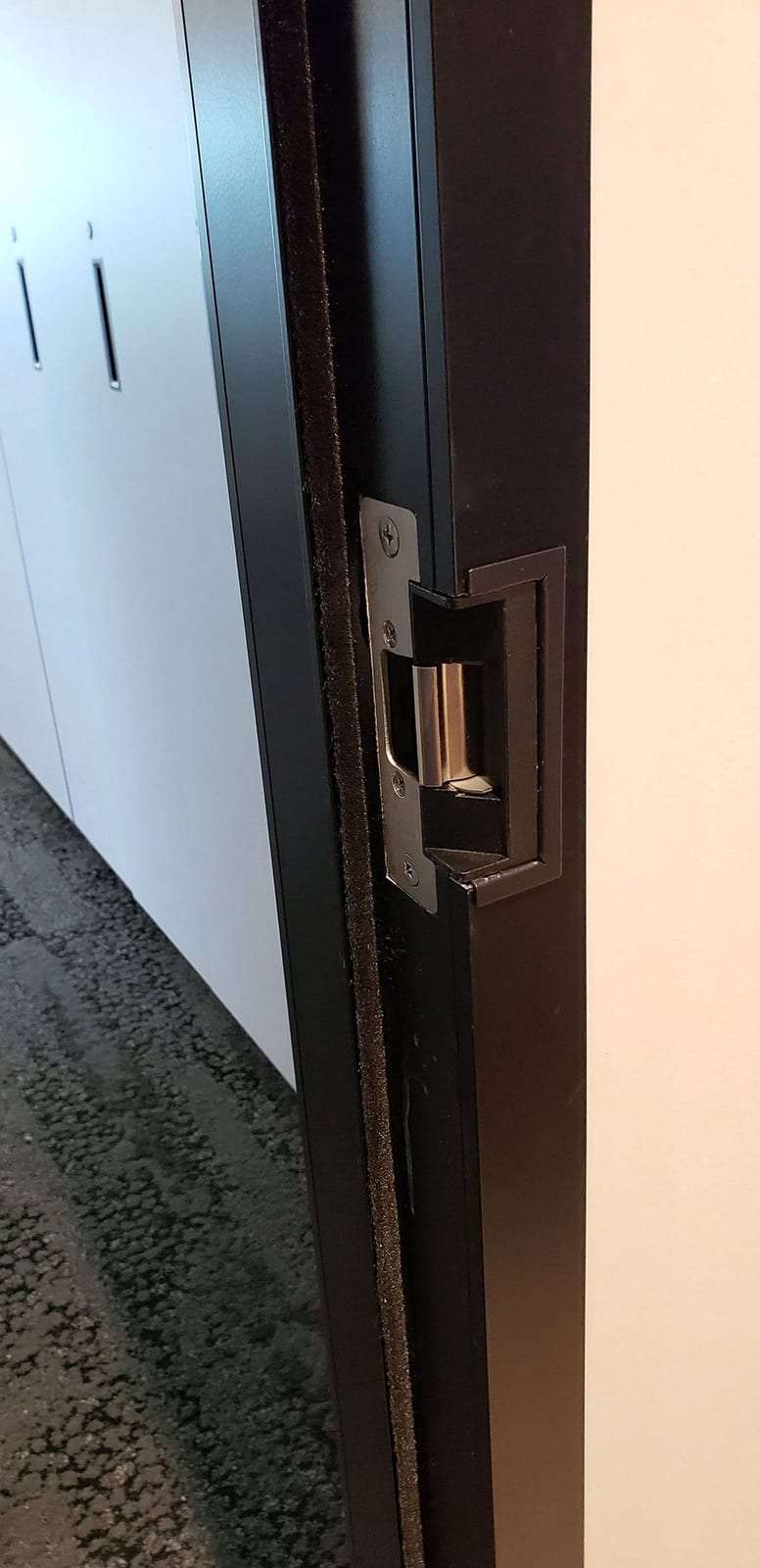
| Door and latch alignment | Hinges, latch and strike set so the latch drops in without a push or a slam | Doors that have sagged, swollen or shrunk, and deadbolts that bind |
| Security inspection of all entry points | Every outside door, slider and window lock, from deadbolt throw and strike screws to worn cylinders and weak frames | New owners, landlords between leases, small businesses reviewing their doors |
| Rekeying locks | The pins in each cylinder changed to suit a new key, so old keys stop turning | After a move, a lost key, or a tenant or employee who left with one |
| Key duplication | New keys cut from the best original available, since a copy of a worn copy carries the wear forward | Households adding a person, staff who need their own key |
| Spare key set for a household or workplace | A tagged copy of every key, kept apart from the everyday ring | Families, landlords with several units, offices with shared doors |
Grit, Old Grease and Loose Screws
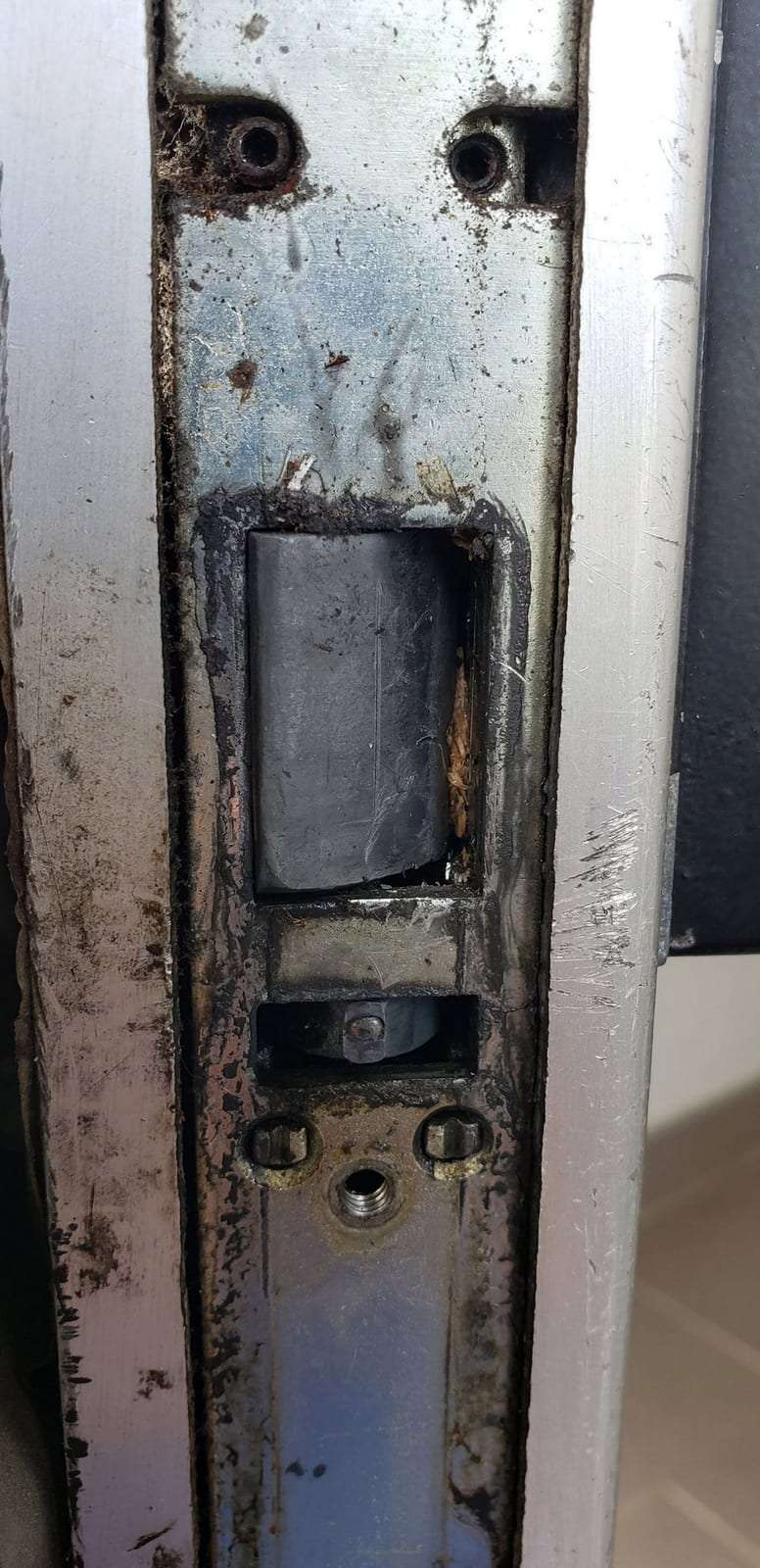
Every key carries a little dust into the lock. Over the years it mixes with old oil into a paste that slows the pins, until a key that once slid straight in needs a wiggle. Outdoor locks add rust to the mix, and in a mortise lock it builds out of sight, since the whole lock body sits inside the door edge.
Cleaning flushes the paste out, and a dry lubricant made for locks keeps the pins moving without holding new dirt; household spray oil helps for a few days, then gathers grit. The screws that hold a lever, a knob or a strike loosen with every slam, and a few turns keep the parts from wearing each other down. A lock that still drags once it is clean has a worn part inside, which makes it a repair.
Humid Summers and Freezing Winters at the Front Door
Philadelphia’s weather works on doors as much as on locks. In a humid July, the wooden doors on rowhouses and older twins swell until the deadbolt rubs its strike and the latch only catches with a shove. By January the same door has shrunk, the latch rattles in a strike that now sits too far away, and water left in a cylinder can freeze solid. Salt and grit from the sidewalk wear on front doors too, so an adjustment made in one season is worth checking in the next.
Signs a Lock Needs Attention
- A key that sticks, drags or needs a wiggle, often worst in summer humidity or after a winter of salt.
- A door that needs a push, a lift or a hard pull before it latches.
- A handle, knob or lever that has worked loose.
- A latch that rattles when the door is shut, usually because the door has shrunk away from the strike.
- Keys that were lost, or never came back from a former tenant, roommate, contractor or employee.
New Keys for Locks That Still Work
A lock protects a door only as long as the right people hold its keys. Rekeying changes the small pins inside the cylinder to suit a new key, so every old copy stops working while the lock itself stays on the door. It suits locks that still turn smoothly and latch firmly, which is why it belongs with maintenance rather than replacement.
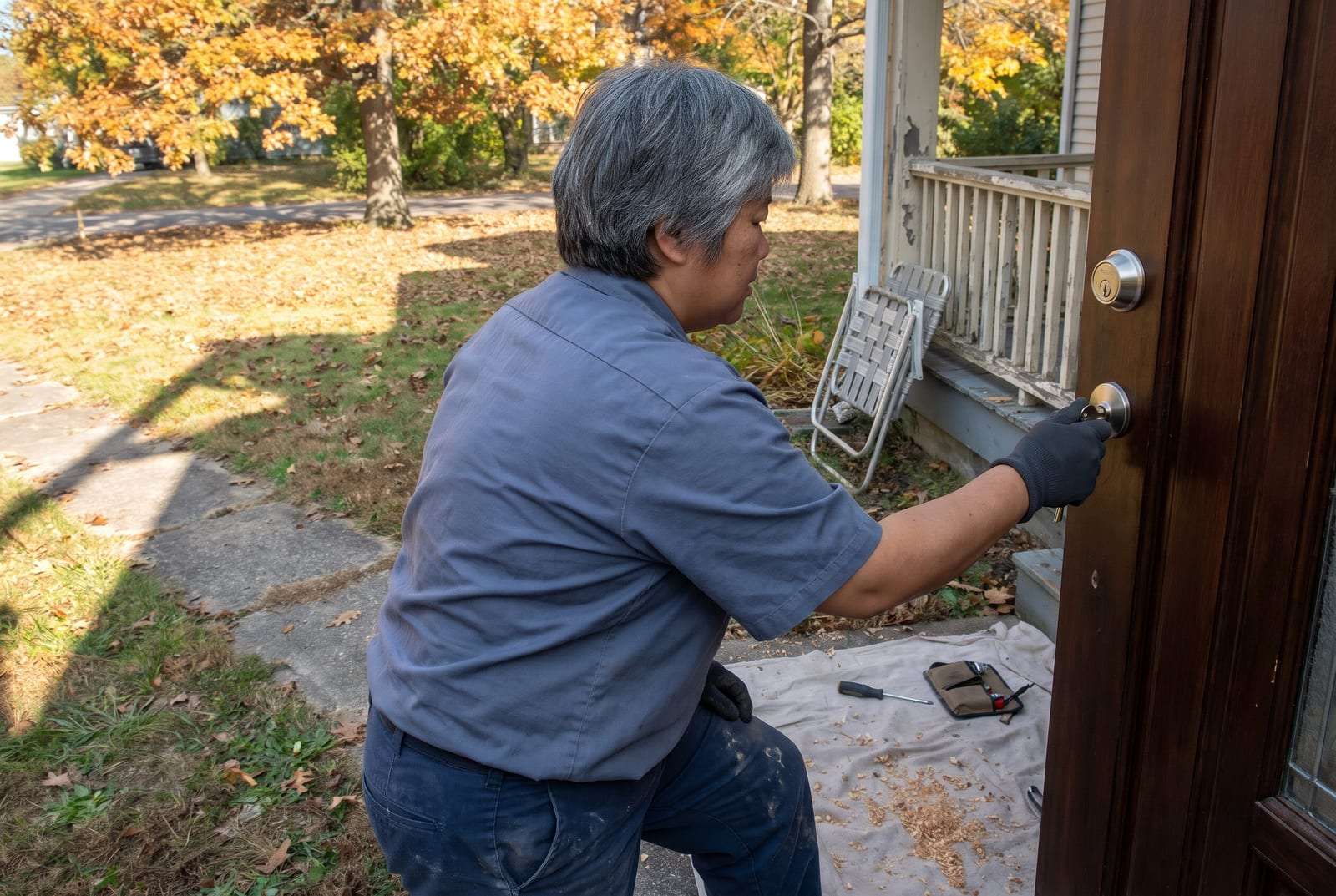
Businesses often take rekeying a step further with a master key system: each office or storeroom gets its own key, and one master opens them all.
When is rekeying enough instead of replacing the lock?
Rekeying is enough when the lock still turns smoothly, the bolt throws fully and the cylinder sits firm, and the only problem is who has keys. If the lock is worn loose, was damaged in a forced entry or is a grade you want to move up from, a rekey only gives a tired lock a new key, and a replacement makes more sense.
Can locks from different brands work on one key?
Only when their cylinders take the same keyway, the shape of the slot the key slides into. Locks of different brands often do not, so one of them may need a new cylinder or a new lock before both can be keyed alike.
A Security Check of Every Entry Point
A security inspection starts at the front door and works around to the ones that get forgotten: the back door, the basement door, the door in from the garage, a patio slider and the window locks. On each, the deadbolt should throw its full length, the strike screws should reach the framing behind the jamb, and the frame should be sound. In a shop or an office, the panic bars and exit devices get the same look. To set one up, Schedule a Visit and list the doors you want looked at.
Spring move-ins: rekey the locks before unpacking Humid summer air swells doors and sticks latches Autumn deadbolt and latch checks before the cold Frozen lock in winter? Never force the key